

Traditional Kerala Mural Painting is one of India’s most distinctive traditional art forms, admired for its intricate designs, graceful figures, and vibrant colors. The color palette is more than just visual beauty – it carries deep symbolic meaning, spiritual significance, and a direct connection to nature.
In this article, we explore the natural colors used in Kerala mural paintings, their origins, and their meanings.
The Panchavarna – The Five Traditional Colors used in Kerala Mural Painting
Kerala mural painting traditionally uses five primary colors, known as the Panchavarna (Five Colors). Each color is derived from natural sources and holds symbolic value:
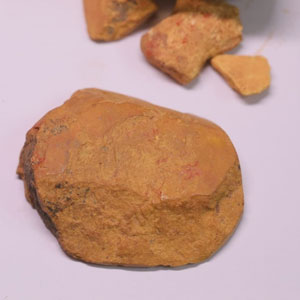
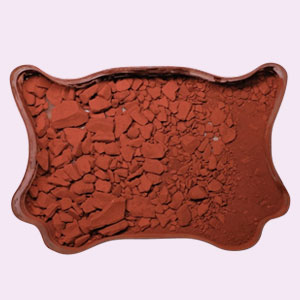
Red – Obtained from red laterite soil or red ochre. Represents strength, energy, and divine protection.
Yellow – Extracted from yellow ochre or turmeric. Symbolises wisdom, prosperity, and spiritual enlightenment.
Green – Made by mixing indigo with orpiment. Represents balance, harmony, and fertility.
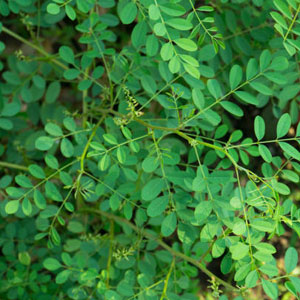
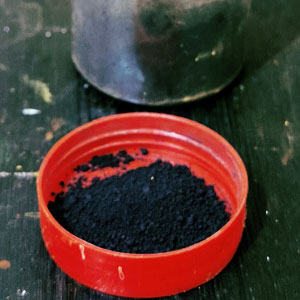
Black – Produced from lamp soot. Stands for eternity, mystery, and inner strength.
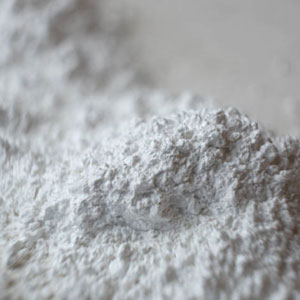
White – Created from lime or powdered shells. Symbolises purity, truth, and divinity.
Natural Origins of Kerala Mural Colors
Before synthetic paints existed, Kerala mural artists prepared their own pigments from earth, minerals, plants, and stones. This process ensured that the paintings remained vibrant for centuries without fading. The colors were mixed with natural binders such as coconut water or tree gum for durability.
Spiritual Symbolism of Colors
In traditional murals, colors are chosen according to the mood and nature of the subject.
Deities associated with courage (like Lord Narasimha) are painted in bold reds.
Saints, sages, and calm deities are often shown in yellow or white.
Nature elements like trees and landscapes use rich greens for vitality.
This thoughtful use of color gives each mural a unique aura and emotional impact.
Layering & Shading Techniques
The brilliance of Kerala mural painting lies in its layer-by-layer application. Artists begin with lighter shades and gradually move to darker tones, using natural-hair brushes for fine detailing. This layering creates depth, texture, and a glowing effect that makes the artwork appear alive.
Preserving the Color Heritage
While modern materials are now widely available, many traditional artists still follow ancient color-making methods to preserve the authenticity of Kerala murals. Using natural pigments not only keeps the tradition alive but also maintains the spiritual essence of the art.
Conclusion
The colors in Kerala mural painting are not just pigments – they are a timeless language of art, culture, and devotion. Rooted in nature and history, these shades have the power to connect viewers with the sacred and the eternal.