
Given below are wall mural paintings drawn on an experimental basis by undertaking an deep study of antique wall painting culture as depicted in India and other countries and also incorporating the traditional methods of wall building, polishing and creating eternal expressions using natural colours. Some of the prominent among them such as Thailand Tadition, Ajanta tradition, Jaipuri Tradition, Italian Fresco, Egg Temperra, enamel painting, Shorra painting, and other techniques make use of naturally derived colour mixes, coloured stones, leaf juices and gums.
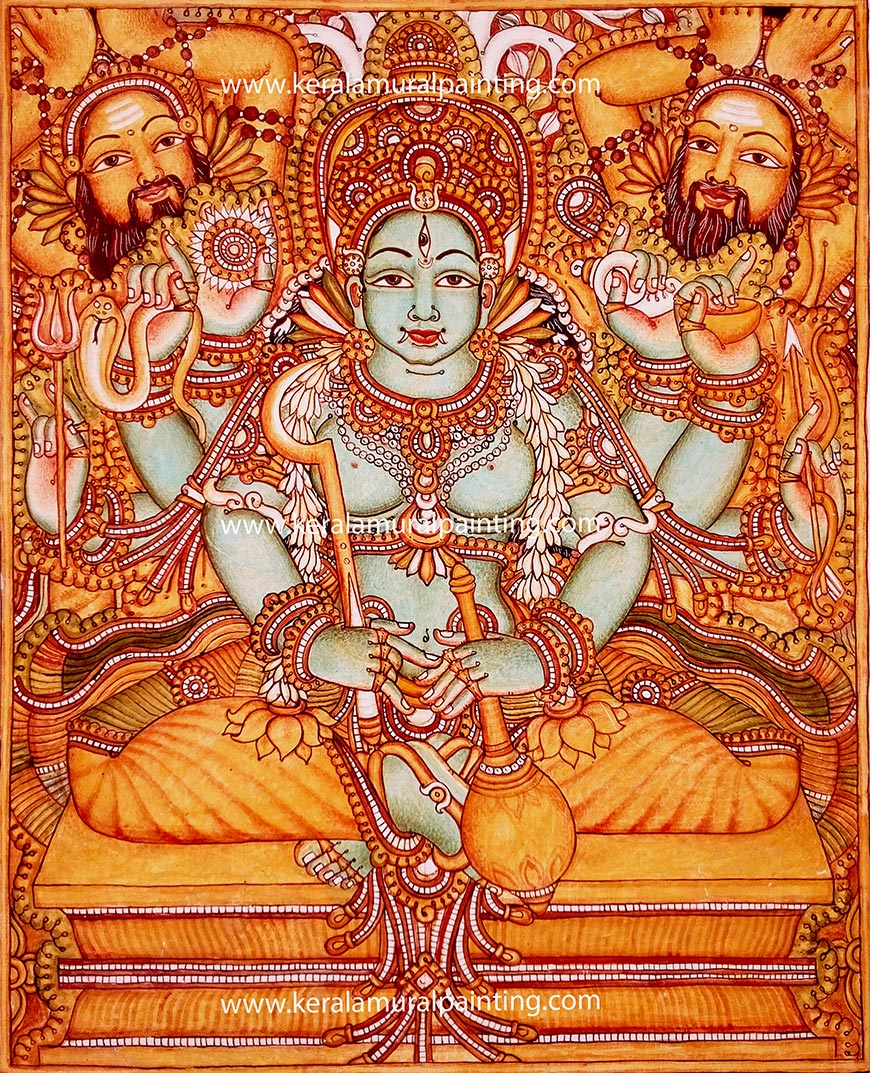
KALI DEVI
Natural Colour on Traditional Wall
14 x 24 inches
on Private collecton
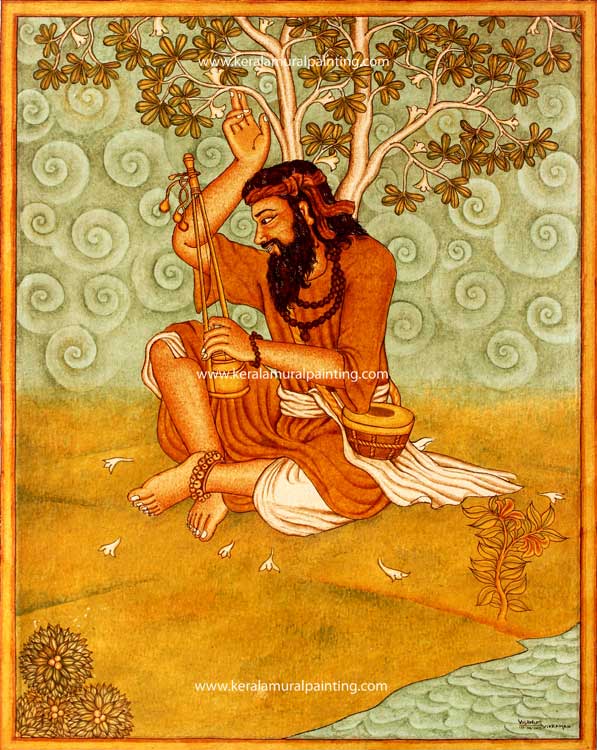
BAUL MUSICIAN
Nature Colour on Tempera
20 x 28 inches
Delhi
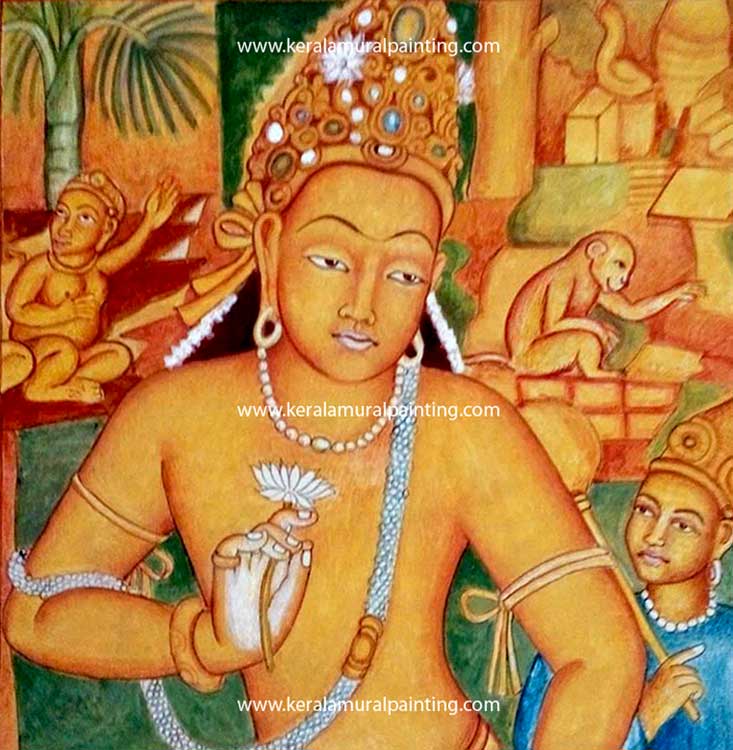
BUDDA
Natural colour on Traditional Wall
14 x 16 inches
in Alua, Cochin
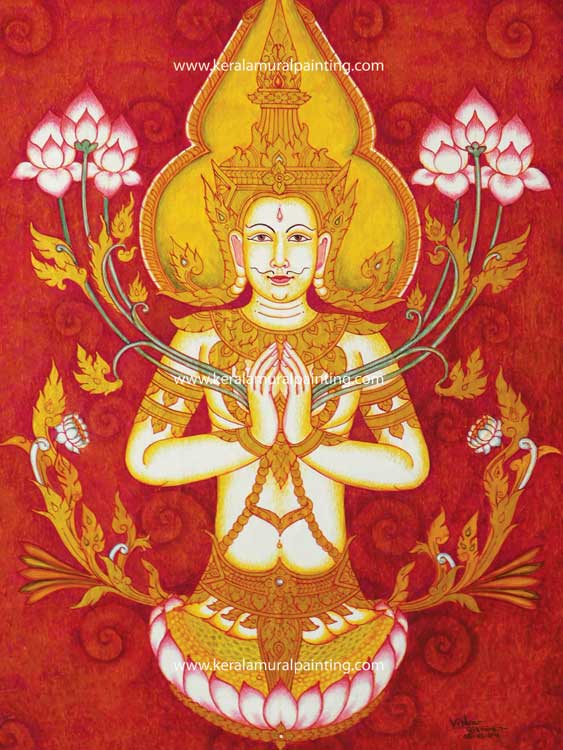
THAILAND TRADITION
Nature Colour on Tempera
20 x 28 inches
in West Bengal
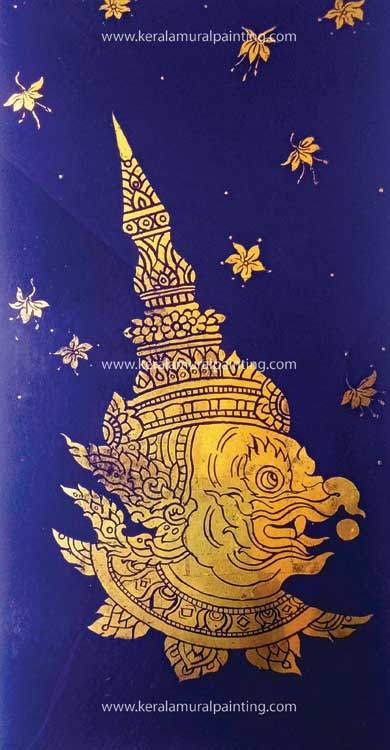
THAI LACQUER PAINTING
Gold on Acrylic Sheet
8 x 16 inches
on private collection

AJANTA MOTIF
Jaipuri Fresco on wall block
12 x 12 inches
Available
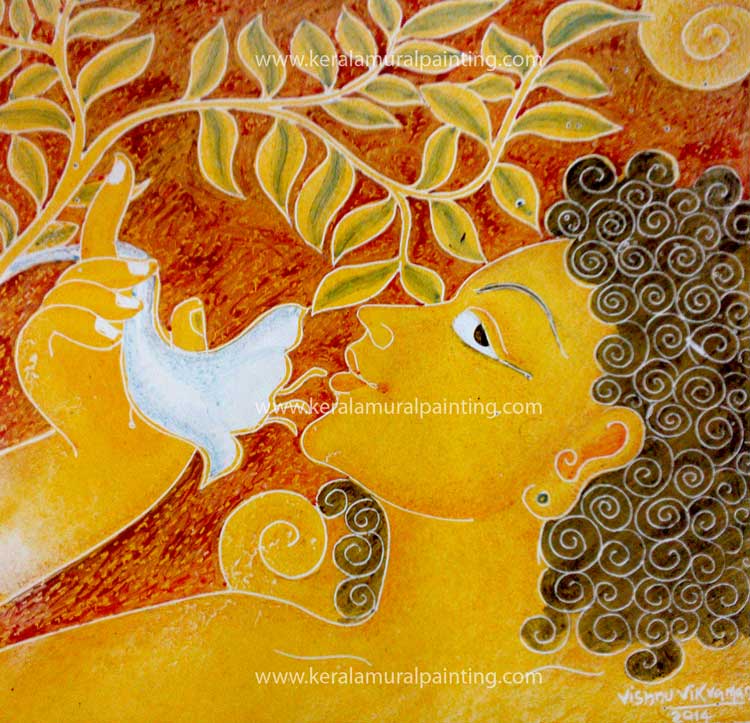
ENAMEL PAINTING 1
Glass powder on Iron plate
12 x 12 inches
on private collection
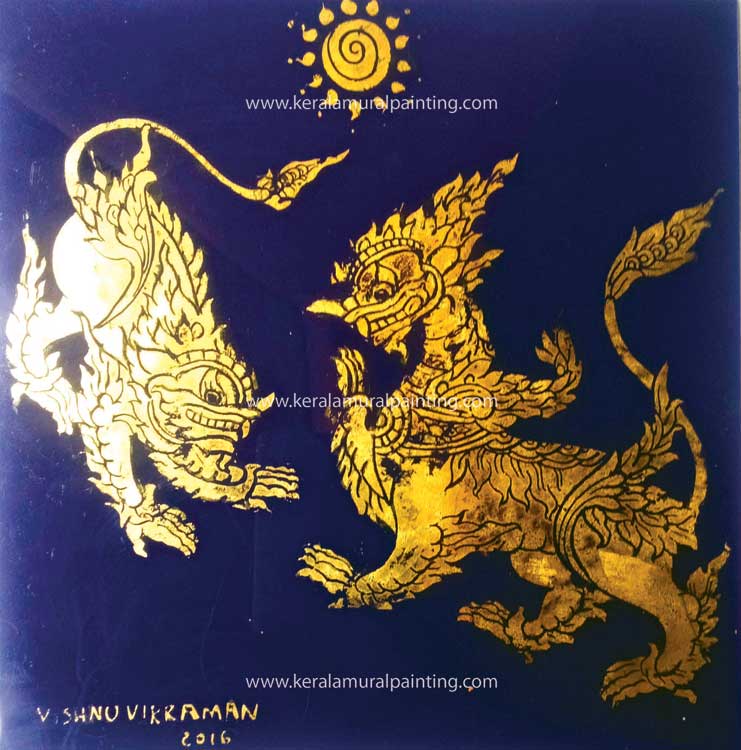
THAI LACQUER PAINTING
Gold on Acrylic Sheet
12 x 12 inches
in West Bengal
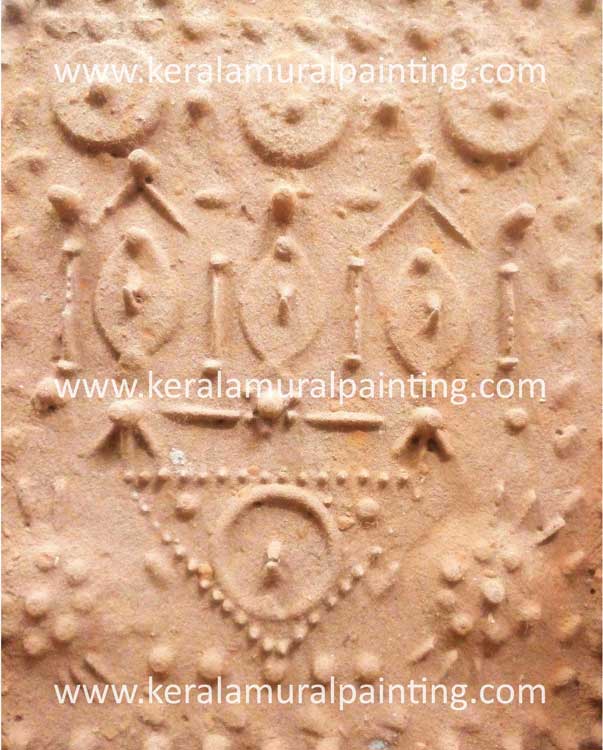
CEMENT CASTING 2
Glass powder on Iron plate
34 x 38 inches
In West bengal
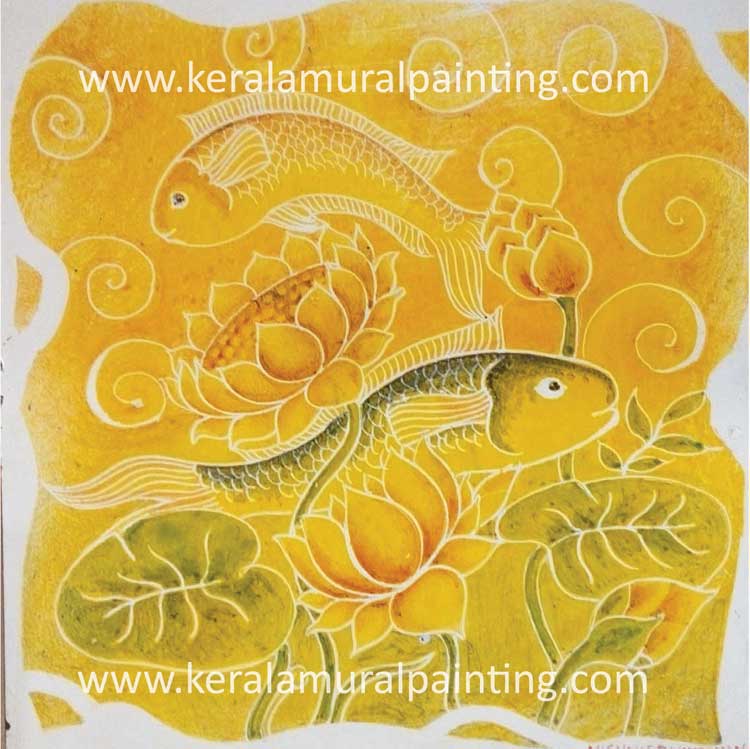
ENAMEL PAINTING 3
Glass powder on Iron plate
12 x 12 inches
on Private collection
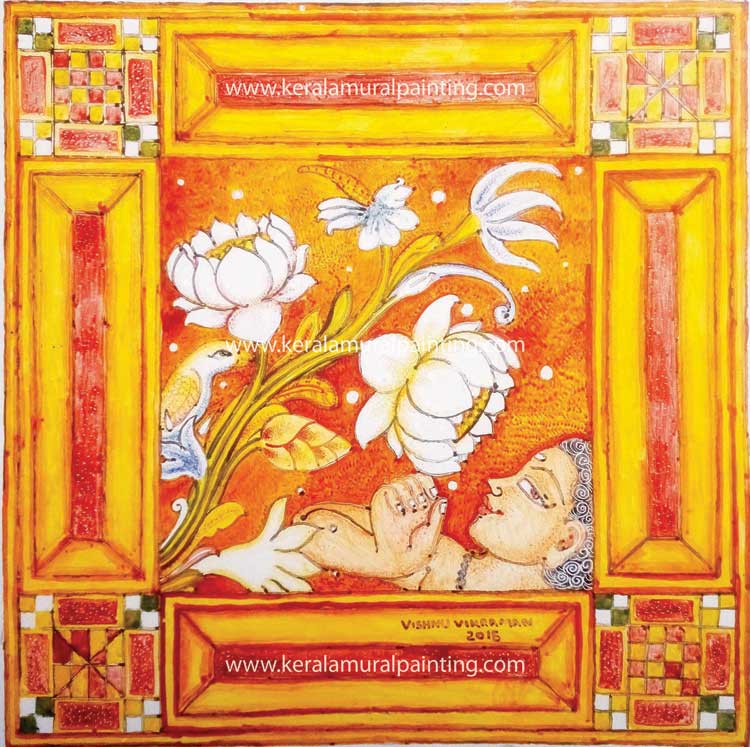
ENAMEL PAINTING 2
Glass powder on Iron plate
24 x 24 inches
on private collection
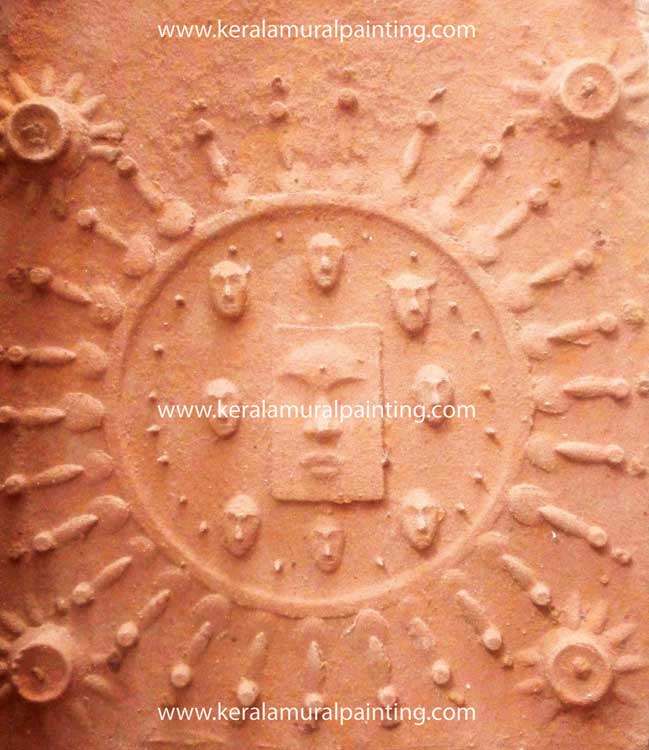
CEMENT CASTING 1
Glass powder on Iron plate
34 x 34 inches
in West Bengal
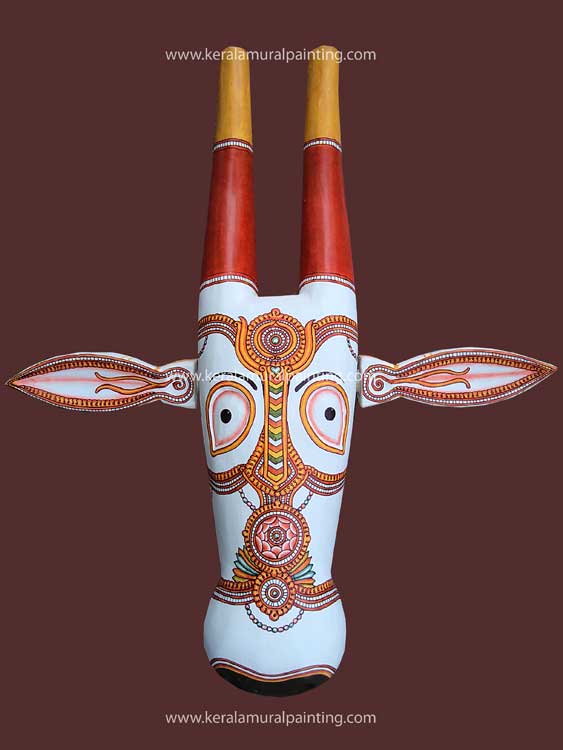
KALA CHAMAYAM 1
Acrylic on Wood
10 x 18 inches
in Mattanchery
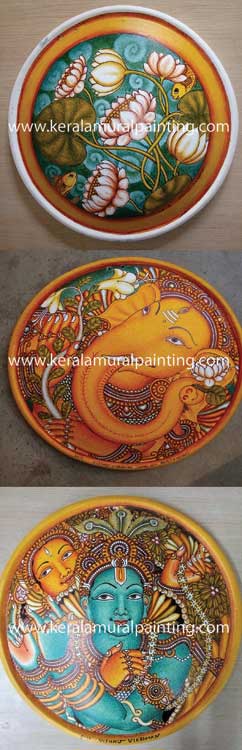
SHORRA PAINTING
Acrylic on Mud Plate
12 x 12 inches
in West Bengl
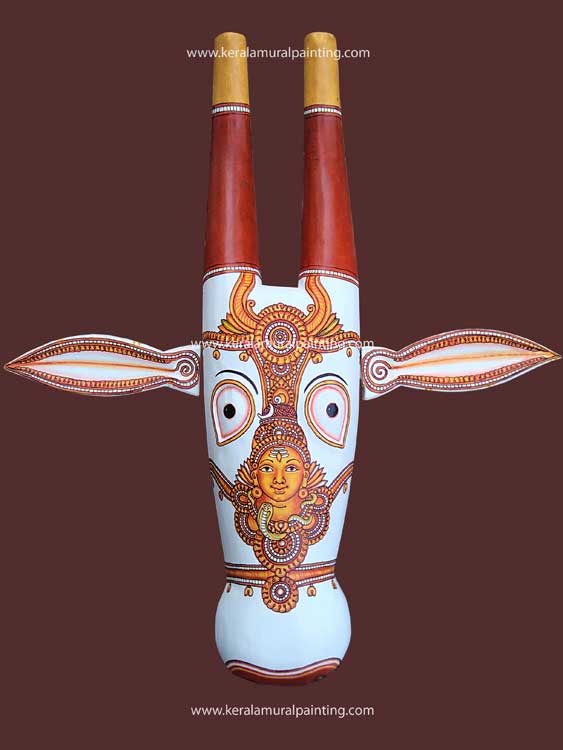
KALA CHAMAYAM 2
Acrylic on Wood
10 x 18 inches
in Mattanchery
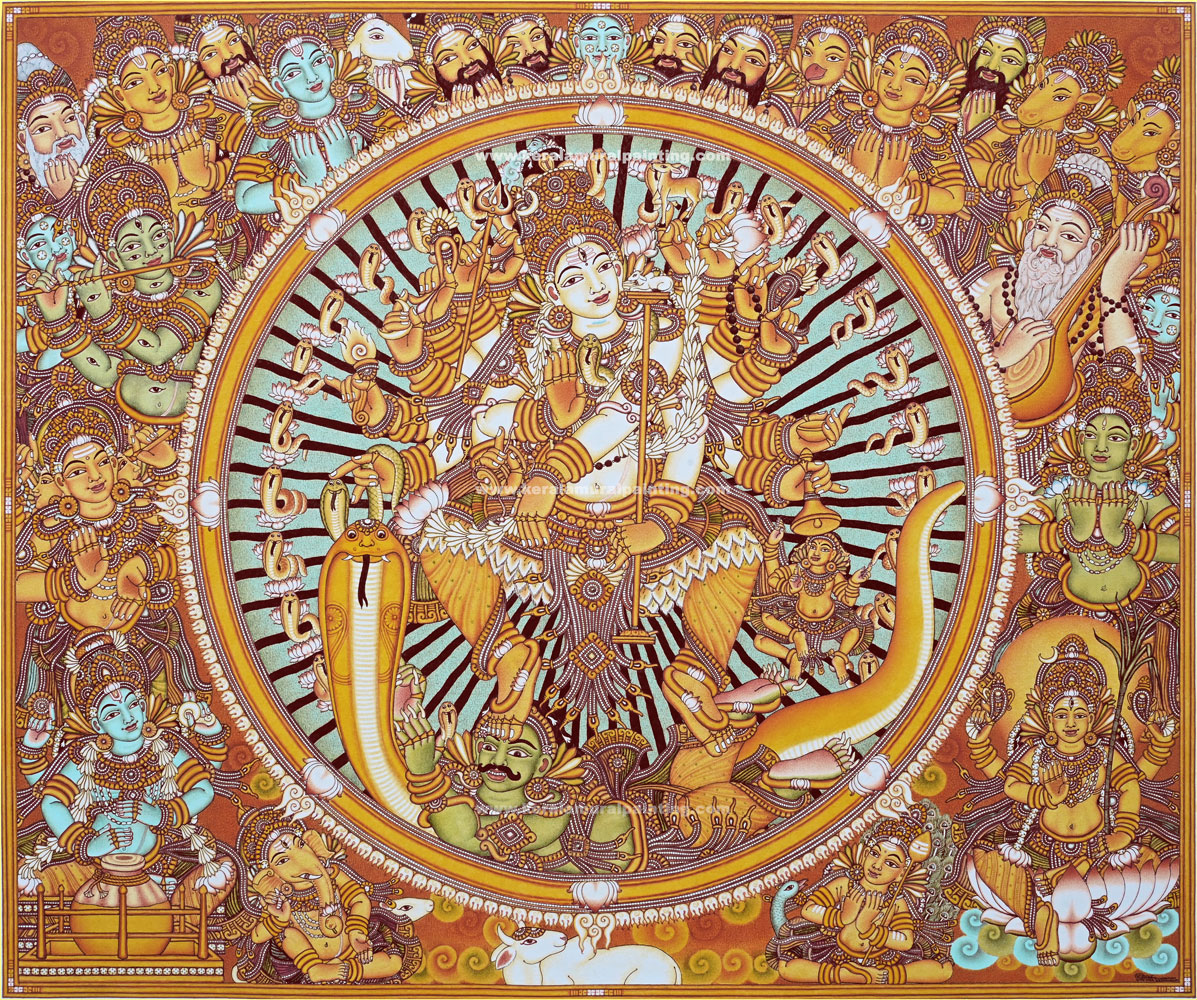
KALA CHAMAYAM 2
Acrylic on Wood
10 x 18 inches
in Mattanchery
Exploring Diverse Wall Painting Traditions
Our collection showcases experimental wall murals inspired by a comprehensive study of antique wall painting cultures from India and around the world. These artworks incorporate traditional methods of wall building, polishing, and the use of natural colors to create enduring expressions. Below is an overview of the prominent painting traditions featured:
1. Thailand Tradition
Thai wall murals are renowned for their intricate depictions of Buddhist narratives, often found in temple interiors. These wall murals utilize vibrant colors and gold leaf to illustrate scenes from the life of the Buddha and other religious stories, reflecting the rich spiritual heritage of Thailand.
2. Ajanta Tradition
Originating from the Ajanta Caves in Maharashtra, India, these wall murals date back to the 5th century. They depict various Jataka tales and Buddhist themes, characterized by their expressive figures, dynamic compositions, and the use of mineral-based pigments on wet plaster, creating a lasting visual impact. Learn more.
3. Jaipuri Tradition
Jaipuri wall murals, from Rajasthan, India, are celebrated for their vibrant colors and intricate patterns. Influenced by Mughal and Rajput styles, these wall murals often adorn the walls of palaces and havelis, depicting royal life, court scenes, and religious motifs, showcasing the region’s rich cultural tapestry. Learn more.
4. Italian Fresco
Italian wall murals, especially prominent during the Renaissance, involve applying pigments onto freshly laid wet plaster. This technique allows the paint to become an integral part of the wall surface, resulting in durable and luminous wall murals that have adorned churches and palaces across Italy. Learn more.
5. Egg Tempera
Egg tempera wall murals are created by mixing pigments with egg yolk as a binder. This technique produces a matte finish with fine detail and vibrant colors, historically used in early Christian and medieval European wall murals before the advent of oil painting. Learn more.
6. Enamel Painting
Enamel wall murals involve fusing powdered glass to a substrate, typically metal, through firing. This technique creates a durable and glossy finish, often used in decorative arts and wall murals, with origins tracing back to ancient civilizations. Learn more.
7. Shorra Painting
Shorra wall murals are a traditional Indian art form that utilizes natural pigments derived from minerals and plants. These wall murals often depict mythological themes and are characterized by their earthy tones and symbolic representations, preserving ancient artistic expressions.