
The Legacy of Ancient Indian Sculpture
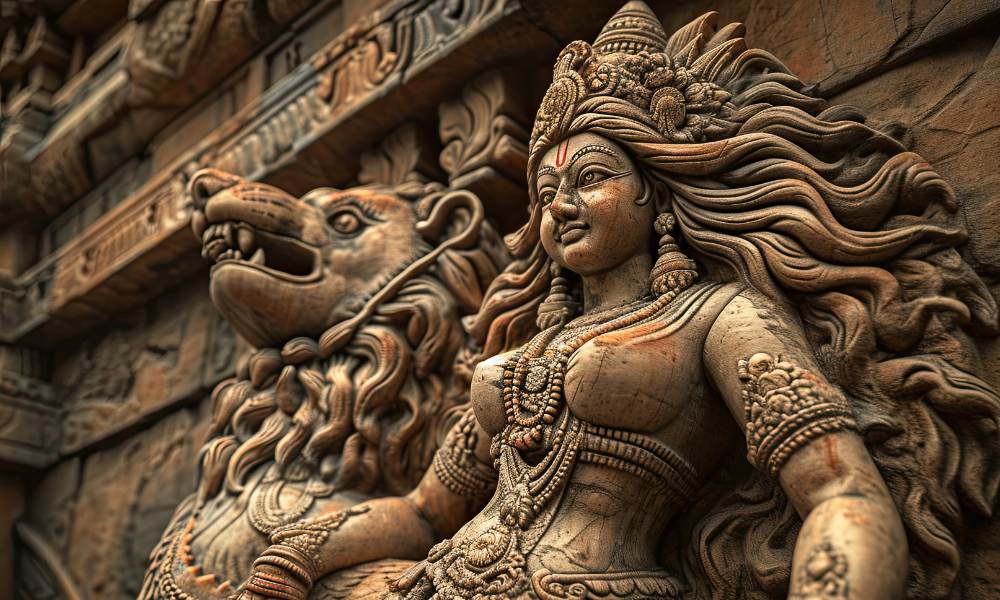
India’s temples are not just centers of worship; they are living galleries of heritage, art, and mystical mastery. Among their most remarkable features is the ancient Indian sculpture that adorns them—timeless storytellers carved in stone, embodying both divine beauty and artistic devotion. Each ancient Indian sculpture reflects a culture that saw spirituality and creativity as inseparable, leaving behind masterpieces that continue to inspire awe today.
Across centuries, sculptors have left behind stone marvels that continue to astonish us with their intricate detailing, lifelike expressions, and spiritual energy. These creations, often carved painstakingly into granite and sandstone walls, pillars, and sanctums of grand temples, represent the peak of India’s classical art tradition.
Artistry Fueled by Devotion and Discipline
Creating an ancient Indian sculpture was never a casual pursuit—it was a sacred responsibility. These sculptors were exceptionally talented artisans whose craft was often passed down as a family legacy through generations. Commissioned by kings and temple authorities, their job was to sculpt divine forms that would dwell in these holy spaces for eternity.
Completing a single sculpture could take anywhere from a few months to several years based on its complexity, size, and design. Working with primitive, handmade tools and raw stone, every curve, detail, and emotion had to be delicately revealed from within, making sculpting both a mental and spiritual challenge.
The Role of Kings and the Sculptor’s High Status
In ancient times, kings and emperors played a crucial role in shaping temple architecture. They were not only patrons of religion but also connoisseurs of fine arts. Whenever a new temple was proposed or a restoration was commissioned, skilled sculptors were selected and entrusted with these grand responsibilities.
The sculptors were often well-rewarded—offered gold, land, provisions, and honored positions in court. Yet with prestige came pressure. If the sculptors failed to complete the work in the stipulated time or failed to meet the standards expected by the king, they could face serious consequences. Some texts even mention harsh punishments for delays or dishonoring the gods through flawed workmanship. Such was the rigor and reverence associated with sculptural art in ancient India.
Sculpting as a Spiritual Practice
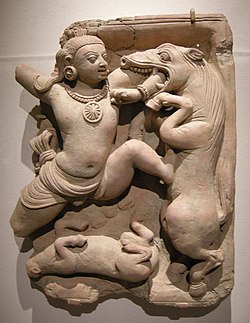 The process of sculpting was deeply spiritual. Before beginning any new assignment, the ancient sculptors would seek blessings from the deities, particularly Lord Vinayaka (Ganesha), revered as the remover of obstacles. It was common for the sculptor to fast, meditate, and purify his mind before touching the stone with his chisel.
A sculptor needed infinite patience, immense concentration, and a spiritually awakened state of mind during his work. For these artisans, each sculpture was an offering to the universe. Their hands moved with divine inspiration, transforming heavy rock into sacred expression.
The Living Sculpture: A Legend of Divine Artistry
One of the most enchanting legends surrounding ancient Indian sculpture speaks of a master sculptor who carved an exquisitely detailed peacock out of stone. His work was so lifelike, so infused with devotion and energy, that the peacock was said to have come alive and begun to fly. Astonished and fearing he had inadvertently crossed the limits of the mortal and divine, the sculptor immediately struck the legs of the peacock with his hammer—thus making it lifeless again.
Whether myth or metaphor, this story symbolizes the sculptor’s devotion, his detachment from ego, and the divine grace that flowed through his work. It conveys the idea that art created with pure sincerity and spiritual intent carries power far beyond visual beauty. In the hands of the sculptor, stone was transformed into a living presence, radiating energy that could inspire, protect, and uplift all who beheld it. Each ancient Indian sculpture thus became not merely an object of worship but a bridge between the human and the divine, a timeless testimony to the union of faith and creativity.
The Dark Side: Theft and Smuggling of Temple Idols
While the ancient sculptors viewed their art as a form of divine connection, the modern world is witnessing an unfortunate trend: the illegal smuggling of ancient Indian sculptures and idols to foreign lands. These priceless artifacts, once worshipped in temples and revered as sacred manifestations of the divine, have become mere objects of trade on the international market.
Every year, countless idols—many centuries old—are stolen from abandoned shrines and sold to collectors and museums abroad at enormous prices. These spiritual symbols, painstakingly created by ancient artists over decades, are now reduced to commodities.
Governments and law enforcement agencies are taking action, tightening security and retrieving lost idols, but the menace continues. According to Indian spiritual traditions and beliefs, those who engage in such sinful acts may face intense karmic consequences—including blindness in future births, symbolic of their spiritual ignorance and moral decay.
Honoring the Legacy of Ancient Indian Sculpture Through Preservation and Art
As admirers of Indian art and culture, especially those fascinated by Kerala mural painting and temple architecture, it is our collective responsibility to honor and protect the artistic heritage of our land. Both mural painters and traditional sculptors belong to the same lineage of spiritual artists who used their craft to glorify the divine.
Kerala’s mural artistry, with its vibrant use of color and storytelling, complements beautifully with the monochrome elegance and fine detailing of ancient Indian sculpture. Just as murals turn walls into painted scriptures, sculptures turn stone into divine embodiments of mythology, history, and devotion.
Conclusion: Sculpted in Grace, Preserved in Spirit
The legacy of ancient Indian sculpture tells the story of a civilization deeply rooted in spirituality, artistic brilliance, and reverence for the divine. Far more than historical remnants, each ancient Indian sculpture stands as a sacred relic of cultural heritage and a timeless symbol of devotion that continues to inspire generations.
In celebrating the heritage of ancient Indian sculpture, we are reminded that these creations are not just relics of the past but living expressions of faith and artistry. From temple sanctums to museum halls, they continue to bridge history with the present, inviting us to preserve, study, and honor this profound cultural legacy for generations to come.
Bring timeless tradition to your space — Contact us to commission authentic Kerala mural paintings crafted with heritage and heart.