
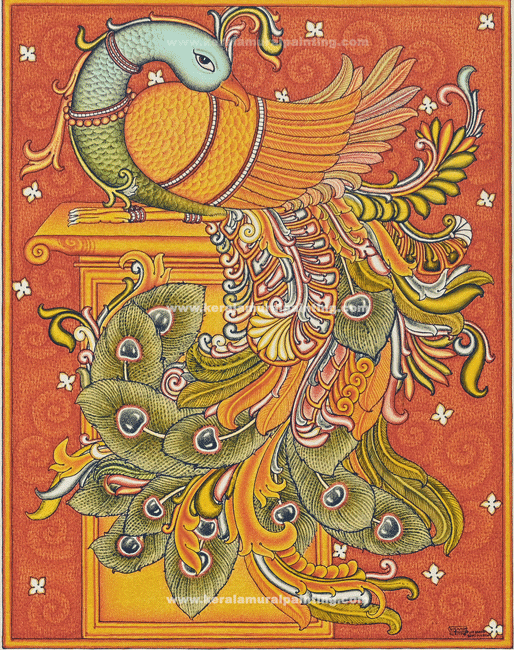
Kerala mural painting is a centuries-old traditional art form from Kerala, India, celebrated for its vibrant colors and depiction of mythological themes, gods, goddesses, and rich cultural motifs. Creating a mural of this nature involves careful preparation of the wall surface to ensure the artwork’s longevity and vibrancy.
Here’s a detailed guide to preparing the wall for a Kerala mural, reflecting traditional techniques and modern practices:
1. Surface Preparation
Begin by making sure the wall is clean, smooth, and free from any dust, dirt, or loose particles. Use tools like a wire brush or sandpaper to gently remove any old paint, plaster, or imperfections. Traditionally, the wall is then coated with a mixture of lime, sand, and organic binders to create a smooth, even surface that can hold pigments properly.
2. Application of Plaster Layers
In traditional practice, multiple layers of plaster are applied to the wall:
The first rough plaster includes lime, sand, and sometimes natural adhesive substances.
Subsequent layers are finely smoothed and may include additives like tender coconut water or juices from natural plants for a whitish appearance that acts as a natural primer, helping colors adhere better.
Each layer is carefully dried and polished before proceeding to the next, with the final surface giving a smooth, matt finish essential for mural painting.
3. Priming the Wall
Although not always termed “primer,” the final polished plaster layer acts as a priming base. In contemporary adaptations, artists may apply a light, neutral-colored base coat—usually white or pale yellow—to enhance the vibrancy of the mural colors.
4. Drawing Gridlines and Sketching (Lekhya Karma)
For accuracy in transferring complex designs, artists often create a grid of equal squares on the wall using light pencil lines. This grid helps maintain correct proportions in the intricate details.
Using the grid as a guide, the initial sketch—called Lekhya Karma—is drawn freely with a pencil or light yellow pigment. This draft allows artists to refine compositions before finalizing.
5. Final Drawing (Rekha Karma)
After the rough sketch, artists enhance and finalize the drawing with red pigment or a defined pencil outline, known as Rekha Karma. This step refines shapes and prepares the mural for painting.
6. Outlining
Traditionally, the outlines are bolded with black pigment using fine brushes, defining the forms clearly and setting the structure for overlaying colors.
7. Coloring and Layering (Varna Karma)
Kerala murals use a characteristic palette of natural colors made from minerals, vegetables, and natural dyes—mainly five sacred colors: red, yellow, green, black, and white.
The color application is methodical:
Base colors are applied first in broad areas.
Multiple translucent layers add depth and vibrancy.
Shading and stippling (tiny dot application) techniques create dimension and texture.
Different colors also convey symbolic meanings about the characters depicted.
8. Detailing and Finishing Touches (Vartana Karma & Devika Karma)
After the base colors, artists add intricate details, patterns, and textures, highlighting forms and decorations. This stage involves meticulous brushwork to enhance depth and life in the figures.
The final touch—often called Nethronmeelanam or “eye opening”—involves painting the eyes, believed to breathe life into the mural. This sacred act completes the artwork.
9. Sealing the Mural (Optional in Modern Practice)
To protect the completed mural from dust, moisture, and fading, a clear protective coating or sealant may be applied in modern works. Traditional murals inside temples rely on the lime plaster’s natural resilience and regular maintenance.
Summary
Kerala mural painting’s beauty lies not only in its vibrant depictions but also in the rigorous traditional techniques applied from wall preparation to final touches. The process demands patience and precision, with each stage essential to preserving the mural’s cultural and artistic integrity.
Whether you are an aspiring mural artist or a curious enthusiast, understanding these preparation steps forms the foundation of appreciating and creating authentic Kerala murals.