
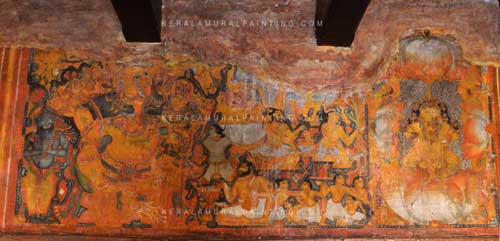
India stands as a vibrant testament to artistic heritage, where traditional mural art threads together the country’s rich tapestry of history, culture, and spirituality. These murals, found in ancient caves, temples, and palaces, narrate tales from mythology, capture daily life, and convey spiritual themes that have endured through the centuries. For those exploring cultural heritage or searching for travel inspiration, the phrase indian traditional mural sites is essential for discovering some of the nation’s most treasured locations.
Major Indian Traditional Mural Sites
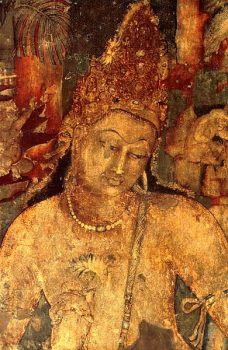
Ajanta Caves, Maharashtra
Era: 2nd century BCE
Description: UNESCO World Heritage site celebrated for its exquisite Buddhist murals.
Highlights: Paintings illustrate the life of Buddha, Jataka tales, and scenes from ancient court life.
Artistic Style: Vivid colors, delicate detailing, and a serene, spiritual atmosphere
Ellora Caves, Maharashtra:
Period: 6th–10th centuries CE
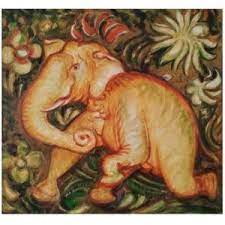
Significance: Adjacent to Ajanta, Ellora hosts Hindu, Jain, and Buddhist temples with magnificent murals.
Notable Site: Cave 16 (Kailasa Temple) features intricate murals drawn from Hindu epics like the Mahabharata and Ramayana.
Artistic Merit: Reflects a synthesis of various artistic traditions over time
Sittanavasal, Tamil Nadu:
Age: 9th century CE
Overview: Renowned for its Jain rock-cut cave temple adorned with vibrant frescoes.
Themes: Depicts scenes from Jain mythology, lotus ponds, monks, and wildlife.
Style: Blends classical finesse and folk art influences, a testament to Tamil artistic excellence
Mattancherry Palace, Kerala:
Built: 16th century CE
Location: Kochi, Kerala
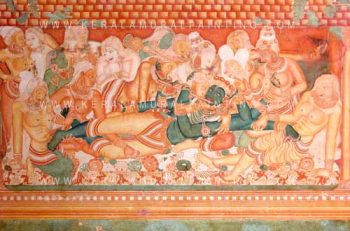
Features: The palace houses murals depicting episodes from the Ramayana and Mahabharata and portraits of former Rajas of Kochi.
Fusion: Exhibits Kerala mural artistry combined with Dutch colonial architecture
Ranakpur Jain Temple, Rajasthan:
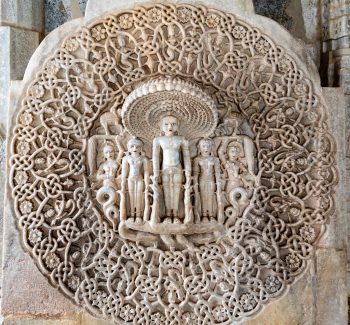
Era: 15th century CE
Dedication: Tirthankara Adinatha
Artistry: Noted for intricate marble carvings as well as murals portraying the lives of Jain Tirthankaras; showcases detailed precision and reverence
Lepakshi, Andhra Pradesh:
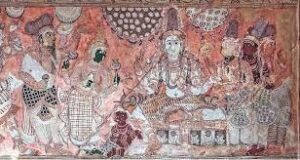
Structure: Veerabhadra Temple
Period: 16th century CE (Vijayanagar Empire)
Murals: Frescoes illustrate stories from epics and the Puranas, employing elaborate detailing and vivid coloring.
Cultural Importance: Offers insights into the grandeur of the Vijayanagar Empire
Table: Quick Reference – Indian Traditional Mural Sites
| Site | Location | Artistic Era | Theme/Style |
|---|---|---|---|
| Ajanta Caves | Maharashtra | 2nd c. BCE | Buddhist murals, high detailing1 |
| Ellora Caves | Maharashtra | 6th–10th c. CE | Hindu, Jain, Buddhist synthesis13 |
| Sittanavasal | Tamil Nadu | 9th c. CE | Jain frescoes, folk-classical blend1 |
| Mattancherry Palace | Kerala | 16th c. CE | Hindu mythology, Kerala-Dutch mix4 |
| Ranakpur Jain Temple | Rajasthan | 15th c. CE | Jain themes, marble artistry12 |
| Lepakshi, Veerabhadra Temple | Andhra Pradesh | 16th c. CE | Epic frescoes, Vijayanagara style12 |
Conclusion
Indian traditional mural sites are living museums, preserving and celebrating the country’s artistic and spiritual heritage. Featuring the targeted keyword indian traditional mural sites throughout your content ensures both higher search visibility and a comprehensive approach to showcasing India’s extraordinary mural legacy512.