
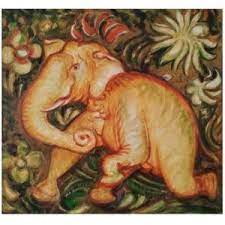
India’s rich tapestry of art forms has long captivated audiences with their vivid colors, intricate details, and deep cultural significance. Among these treasures, Kerala Mural Painting stands out as a unique and ancient art tradition originating from the southern state of Kerala. With its vibrant hues, distinctive style, and rich history, Kerala Mural Painting continues to mesmerize art enthusiasts worldwide, leaving a lasting impression.
Historical Roots and Patronage of Kerala Mural Painting
Kerala Mural Painting traces its origins back to the 8th century AD during the reign of the Pallava dynasty in South India. The art form flourished under the patronage of the Chera rulers and later the kings of Travancore. Initially, these murals adorned temple walls, vividly illustrating mythological stories and religious themes. Serving as a visual narrative, the murals conveyed the core teachings of Hinduism and evoked deep spirituality among devotees.
Distinctive Style and Technique
What sets Kerala Mural Painting apart is its adherence to strict traditional guidelines and its use of natural pigments sourced from minerals, plants, and stones. The color palette is dominated by vibrant yet harmonious reds, greens, and yellows. Artists employ a flat, two-dimensional perspective with minimal shading, emphasizing intricate details and bold outlines that bring the scenes to life.
Themes and Symbolism
Primarily drawn from Hindu mythology, Kerala murals depict a wide range of divine and celestial figures—including gods, goddesses, and legendary heroes. Each painting carries symbolic meanings, communicating moral and philosophical messages deeply rooted in Indian culture. Beyond mythology, the murals also showcase Kerala’s cultural heritage by illustrating classical dance forms such as Kathakali and Mohiniyattam, along with scenic depictions of Kerala’s lush landscapes.
Revival and Preservation Efforts
Despite their historical significance, Kerala Mural Paintings faced periods of decline and neglect. However, several initiatives by artists, scholars, and cultural institutions have successfully revived this ancient tradition. Today, Kerala murals can be admired not only in temples but also in museums, galleries, and public spaces—broadening appreciation beyond their traditional settings.
Appreciating the Intricacies
To truly appreciate Kerala Mural Painting, one must pay close attention to its fine details—from the graceful contours of the characters to their elaborate jewelry and costumes. Each element is carefully crafted to narrate stories that transport viewers into the mythology and spiritual landscape of Kerala, evoking awe and wonder.
A Testament to India’s Cultural Heritage
Kerala Mural Painting is a living testament to India’s rich artistic heritage and vibrant cultural traditions. Its intricate detailing, radiant colors, and profound symbolism continue to fascinate art lovers globally. By celebrating and preserving this art form, we honor the timeless stories and traditions that have shaped India’s unique identity.