

India’s artistic heritage is adorned with countless jewels, and among them, the Pahari painting tradition gleams with unique charm. Originating in the hilly regions of North India—stretching from Jammu to Garhwal and flourishing especially in Himachal Pradesh—the Pahari style evolved between the 17th and 19th centuries under the patronage of Rajput kings.
What Makes Pahari Painting Unique?
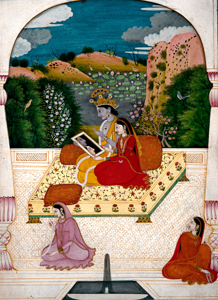
Miniature Mastery: Pahari paintings are mostly miniatures, celebrated for their fine lines, vibrant yet harmonious colors, and intricate compositions. The artists skillfully used natural dyes and delicate brushes, achieving a lyrical quality and minute details that draw viewers into their magical worlds.
Emotional Depth: Beyond technique, Pahari works are acclaimed for their vivid portrayal of emotion—especially the moods and expressions of the human figures, a feature that sets them apart from Rajasthani or Mughal miniatures.
Core Themes: At the heart of most Pahari paintings are stories from Hindu mythology. The eternal love of Radha and Krishna dominates, depicted with grace and deep symbolism, especially in the renowned Kangra style. Other themes include episodes from the lives of Lord Rama, gods and goddesses, and regional folklore.
Schools and Styles within Pahari Painting
| School | Key Features | Notable Work/Artists |
|---|---|---|
| Basohli | Bold colors, geometrical patterns, stylized faces with intense eyes | Rasamanjari series, Devidasa |
| Kangra | Soft lyricism, delicate lines, pastel palette; romantic, devotional | Radha-Krishna love scenes |
| Guler | Sophisticated details, subdued colors, religious themes | Scenes of Krishna |
| Garhwal | Poetic, more cinematic representations | Works by Mola Ram |
Basohli: The earliest, notable for its vibrant color palette and strong folk influence.
Kangra: The most celebrated, characterized by tenderness and naturalistic landscapes. Love and devotion between deities—especially Radha and Krishna—are its signature.
Kulu and Garhwal: These styles, though lesser-known, contributed poetic and localized nuances, reflecting the mountainous terrain and regional legends.
Pahari vs Kerala Mural Art
While Kerala mural art is known for large-scale temple wall paintings using mineral colors and mythological narratives, Pahari paintings are recognized for their intricate miniatures and lyrical narratives on handmade paper. Both celebrate Hindu mythology, but their media, scale, and visual language are distinct.
Significance and Legacy
Pahari painting is a testament to the cultural fusion in the Himalayas—melding Mughal techniques with local traditions and Rajasthani influences, yet always rooted in the spirituality and lifestyle of the hills. Today, these miniatures continue to inspire artists and collectors, preserving the poetry, romance, and devotion of the Indian mountainscape.
If you love the storytelling, symbolism, and timeless beauty found in Kerala mural painting, you’ll find a kindred spirit in the delightful world of Pahari art—the Himalayan jewel in India’s artistic crown.
If the rich detailing of Pahari paintings inspires you, explore the equally mesmerizing world of Kerala mural art—where every wall tells a story! To learn more or commission a piece, connect with us through our Contact Page.